Less than ninety minutes from the nearest international airport, a vast alpine playground unfolds across high-altitude glaciers, sunlit valleys, and legendary ski terrain. The Chamonix Valley isn’t just about slopes - it’s a gateway to some of the most iconic mountain experiences in Europe. For decades, visitors have relied on seamless transfers to start their ski adventure the moment they land. This guide breaks down what makes each ski area unique and how to arrive with ease, no matter your skill level or travel style.
The legendary ski areas of the Chamonix Valley
At the heart of the Mont Blanc massif lies a collection of distinct ski domains, each offering a different face of alpine skiing. Unlike large, interconnected resorts, Chamonix’s charm comes from its variety - from steep expert descents to family-friendly zones, all linked by a shared mountain culture. Five main areas define the valley’s winter landscape, each accessible via dedicated lifts from nearby villages.
High-altitude thrills at Les Grands Montets
Situated above Argentière, Les Grands Montets is a magnet for advanced skiers and freeride enthusiasts. Its north-facing slopes hold snow exceptionally well, often guaranteeing excellent conditions even in milder periods. The area opens directly onto dramatic off-piste routes, including parts of the famous Vallée Blanche. Vertical runs exceed 1,000 meters, and the terrain demands solid mountain awareness. A Geneva to Chamonix transfer remains the most efficient way to reach these world-class slopes without the hassle of mountain driving.
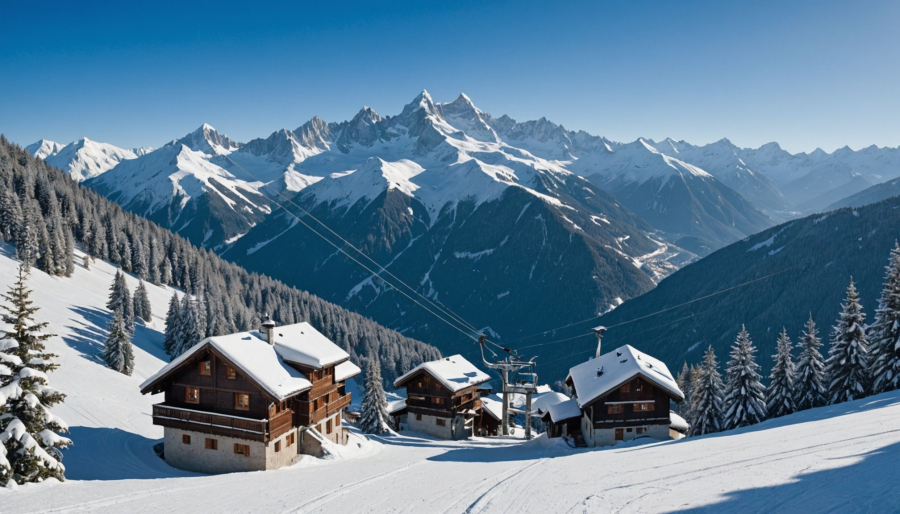
Sun-drenched runs at Brévent and Flégère
On the opposite side of the valley, the Brévent and Flégère domains offer a contrasting experience. South-facing and bathed in sunlight, these sectors provide panoramic views of Mont Blanc and cater well to intermediate skiers. The tree-lined runs at Flégère are particularly forgiving, while Brévent’s higher altitude connects to more challenging terrain. Both are easily reached from central Chamonix, making them ideal for spontaneous outings or half-day sessions.
- Les Grands Montets - Expert terrain, north exposure, Argentière base
- Brévent / Flégère - Intermediate-friendly, panoramic views, central access
- Domaine de Balme - Quiet, scenic, links to Le Tour and the Swiss border
- Les Houches - Family-oriented, reliable snow, closest to the valley entrance
- La Vanoise - Gentle beginner zones, ideal for ski schools and first descents
Comparing slopes and difficulty levels
Understanding the distribution of terrain is key to planning a balanced trip. While Chamonix has a reputation for extreme skiing, it also accommodates beginners and intermediates - especially when you know where to look. The valley’s layout means no single pass covers everything, so matching your accommodation and rhythm to the right sector can make all the difference.
Family-friendly skiing and beginners
New skiers and families will find calm, manageable environments in Les Houches and the Planards area of Chamonix town. These zones feature dedicated nursery slopes, ski schools with English-speaking instructors, and gentle lifts. The snow reliability in Les Houches is boosted by its altitude and grooming, making it a reliable choice early or late in the season. Starting here builds confidence before venturing into higher, more technical areas.
The backcountry and freeride terrain
For many, Chamonix is synonymous with off-piste adventure. The Vallée Blanche, a 20-kilometer glacier descent, is a bucket-list run - but it requires a guide and proper equipment. Other renowned routes like the Couloir du Lognan or the descent from Col du Midi attract experienced skiers year after year. Mountain safety is non-negotiable: avalanche gear, training, and local knowledge are essential. Even with these precautions, weather and wind can close lifts without warning - flexibility is part of the alpine experience.
| Ski Area | Difficulty | Main Exposure | Best Feature |
|---|---|---|---|
| Les Grands Montets | Expert | North | Steepness and snow reliability |
| Brévent / Flégère | Intermediate to Advanced | South | Panoramic Mont Blanc views |
| Domaine de Balme | Intermediate | North-East | Tranquil, cross-border skiing |
| Les Houches | Beginner to Intermediate | South-West | Family-friendly and accessible |
| La Vanoise / Planards | Beginner | South | Dedicated learning zones |
Essential mountain logistics for a smooth trip
One of the valley’s quirks - and charms - is that its ski areas aren’t fully linked. Moving from Les Houches to Flégère, for example, means taking roads or buses. While the local shuttle system is efficient, it’s not always practical for families with gear or groups on tight schedules. Door-to-door transport eliminates the stress of transfers, parking, and navigating icy roads in winter conditions.
Navigating the valley with ease
The Chamonix ski lift network operates independently across sectors. A single-day pass doesn’t grant access to all zones, so planning your base around your target area saves time and effort. The free local bus runs frequently, but during peak hours, it can fill up with skiers and equipment. For maximum flexibility - especially with early starts or evening plans - private transport remains a strategic advantage.
Choosing the right base for your stay
Staying in central Chamonix puts you steps from Flégère and the town’s beginner areas, but it can be busy and noisy. Quieter options like Les Houches or Le Tour offer a more relaxed pace and direct access to their respective slopes. Each village has its own character: Les Houches feels residential and calm, while Le Tour borders the Swiss Alps and attracts cross-country skiers. Your choice of base influences not just convenience, but the overall tone of your trip.
Gear rental and ski pass tips
Pre-booking ski equipment online avoids long queues at rental shops, especially during school holidays. Many shops offer delivery to your accommodation. As for passes, the Mont Blanc Unlimited card includes access to all Chamonix lifts plus the Aiguille du Midi - ideal for multi-day visits. However, if you’re focusing on one sector, a local pass can be more economical. In either case, the new RFID-enabled cards have reduced lift line wait times significantly - digital integration is making a real difference on the mountain.
Beyond the slopes: Après-ski and winter sports
Chamonix’s appeal extends far beyond skiing. The town buzzes with energy after dark, its pedestrian streets lined with alpine cafés, artisan shops, and restaurants serving Savoyard classics like tartiflette and raclette. Unlike purpose-built resorts, Chamonix has a lived-in authenticity - a mix of mountaineering history and modern alpine life.
The vibrant town atmosphere
Après-ski here is less about loud clubs and more about cozy bars and mountain storytelling. Places like Bar du Mont Blanc or Café de Paris offer relaxed spots to unwind with a local beer or mulled wine. The town also hosts film festivals, live music, and cultural events throughout the winter. This blend of sport and culture gives Chamonix a depth that keeps visitors coming back year after year.
Alternative winter activities
For non-skiers or those needing a break, snowshoeing trails wind through quiet forests and high meadows. The Aiguille du Midi cable car, even without skiing, offers one of the most breathtaking viewpoints in the Alps. Ice climbing, dog sledding, and winter hiking are also available with local guides. The valley’s diversity means everyone in a group can find their rhythm - inclusive mountain access is built into its DNA.
Planning your arrival in the Mont Blanc region
Reaching Chamonix in winter requires more than just a car - it demands preparation. Roads can be icy, visibility drops in storms, and parking in the valley is limited. For over 40 years, local transport operators have specialized in safe, reliable transfers through all conditions. These services use winter-rated vehicles, experienced drivers, and offer door-to-door convenience. Whether you’re arriving with ski gear, children, or just want to relax after a long flight, a pre-booked transfer sets the tone for a stress-free holiday. It’s not just about getting there - it’s about starting your trip with confidence, knowing you’re in experienced hands.
Complete FAQ
Is there a specific technical requirement for the Vallée Blanche?
Yes, the Vallée Blanche is a high-altitude glacier descent requiring off-piste skills, avalanche safety equipment, and a certified guide. Skiers should be comfortable on black runs and in variable snow conditions. Proper gear and prior experience with glacier travel are strongly recommended.
What should I do if the main lifts are closed due to wind?
High-altitude lifts like the Aiguille du Midi often close in strong winds. In such cases, focus on lower-altitude areas like Les Houches or the Planards, where conditions are more stable. These zones typically remain open and offer excellent skiing, especially for families and beginners.
How have the new smart lift passes changed the queueing system lately?
The introduction of RFID-enabled lift passes has significantly reduced wait times at major access points. These hands-free cards allow skiers to pass through turnstiles without removing them from pockets, streamlining entry and improving flow during peak hours.
I have never skied in the Alps, is Chamonix too steep for me?
Not at all. While Chamonix is known for expert terrain, it also has dedicated beginner zones in Les Houches and Chamonix La Vanoise. With ski schools and gentle slopes, it’s a great place to learn - just plan your days around the appropriate sectors.
When is the best month to avoid the crowds but guarantee snow?
Mid-January, after the holiday rush, and late February to early March offer a good balance. Snow cover is typically solid, schools are back in session, and the days are longer - making it easier to explore the full range of the valley’s offerings.
